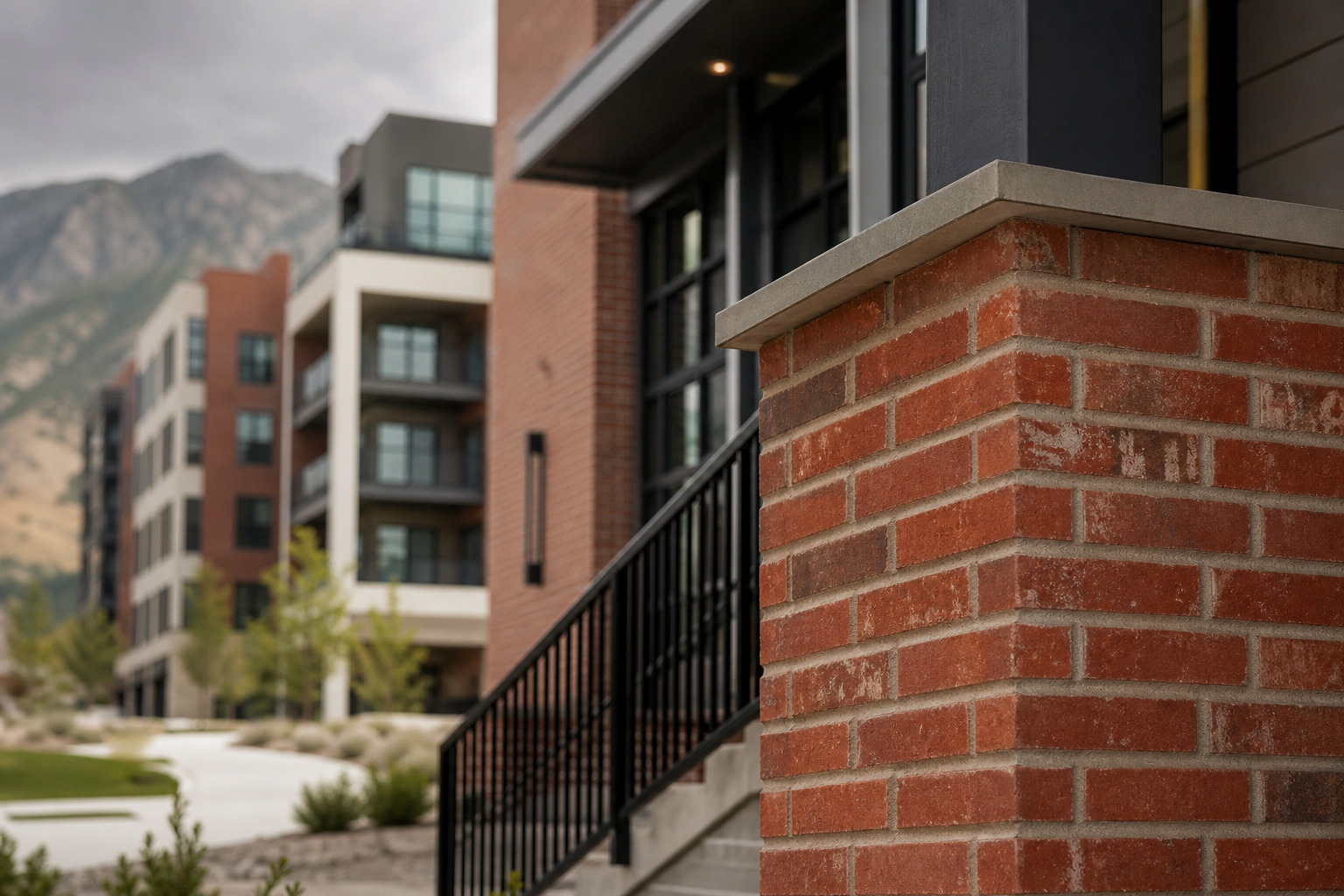
North Farmington Station: Wasatch Front’s Next Big Hub
North Farmington Station is a 550-acre mixed-use, transit-oriented district north of Station Park in Farmington, Utah. With $30 million in public infrastructure completed in 2024 and Phase 1 vertical construction underway in 2026, it’s shaping up to be the largest development in Davis County history, with a projected $3 billion buildout extending into the mid-2030s.
What is North Farmington Station, and why does it matter for Davis County buyers and investors?
North Farmington Station is a 550-acre mixed-use, transit-oriented district north of Station Park in Farmington, Utah. City officials have estimated full buildout could reach approximately $3 billion in private-sector development, with construction phases running from now through the mid-2030s. It’s the largest development initiative in Davis County history, and it’s actively reshaping what it means to live, work, and invest along the northern Wasatch Front.
What’s Actually Being Built, and What’s Already Done
If you’ve driven north on I-15 past Station Park lately, you’ve probably noticed the activity. The foundation for North Farmington Station has been years in the making, and the infrastructure milestone that unlocks the whole thing is already behind us.
In October 2024, Farmington completed Innovator Drive and related roads north of Burke Lane, about $30 million in public infrastructure investment that opened the North Farmington Station area to large-scale private development. Roads and utilities are in. The land is ready. Now the vertical construction follows.
Here’s what the phased buildout looks like, based on planning documents and current reporting:
Phase 1 (2026 target delivery)
- Approximately 400 apartment units
- 80,000 sq ft of retail and restaurant space
- A 500-stall parking structure to support higher-density living without relying on surface lots
Phases 2 and 3 (2027–2029 and beyond)
- An additional 800 residential units
- A 150-room boutique hotel
- A 2-acre central plaza designed as a year-round community focal point
- Office and commercial space extending the employment base northward from Station Park
As of August 2026, Phase 1 vertical construction is expected to be underway, with model homes and retail occupancy projected for late Q3 2026. These are developer projections, not city entitlements, timelines can shift based on financing, market conditions, and approvals. I always tell clients interested in new construction here to treat the schedule as a planning guide, not a contract date.
The broader planning envelope, according to Farmington’s Station Area Plan Appendices, describes a long-term concept supporting over 8 million sq ft of residential product, more than 8 million sq ft of commercial and office space, and approximately 8,259 residential units across the combined Station Park and North Station planning area. That’s a planning-level envelope, not a guaranteed outcome, but it tells you the scale of the vision.
How North Farmington Station Is Different from Station Park
Station Park, the shopping, dining, and mixed-use center south of Park Lane, is already a regional destination. North Farmington Station is the northward expansion, and the distinction matters if you’re making a housing or investment decision.
Station Park is largely built out and operating. North Farmington Station is where the growth is happening. According to a March 2025 Utah Business article, Farmington’s goal with North Farmington Station is to get ahead of I-15 corridor growth by centering new development on existing public transportation, pulling both residents and employers to Davis County rather than sending people south for jobs and amenities.
The Farmington Station Area Plan ties the entire North Station district to FrontRunner commuter rail, with walkability and reduced vehicle trips as explicit planning goals. The Farmington FrontRunner station is within walking distance of the development footprint, which is a genuine differentiator for buyers who commute to Salt Lake or Ogden.
The Farmington North Station Housing and Transit Reinvestment Zone (HTRZ), covering roughly 98.6 acres north of Station Park, adds a financing and incentive layer that supports the kind of higher-density, transit-supportive development the city is targeting. Utah’s HTRZ framework, tied to HB 462 housing and transportation requirements, gives Farmington tools to encourage exactly this type of project.
For buyers comparing Farmington to other Wasatch Front markets, the combination of FrontRunner access, Legacy Parkway, and I-15 makes this one of the better-connected locations in Davis County. I’ve worked in this market for 16 years, and the infrastructure story here is as strong as I’ve seen anywhere north of Salt Lake.
| Feature | Station Park (South) | North Farmington Station (North) |
|---|---|---|
| Status | Largely built out and operating | Infrastructure complete; vertical construction underway 2026 |
| Primary character | Regional retail, dining, and existing residential | New mixed-use: residential, office, retail, hotel |
| Residential scale | Existing apartments and townhomes | 1,200+ units planned across phases (private analysis) |
| FrontRunner proximity | Adjacent to Farmington FrontRunner station | Walking distance to same Farmington FrontRunner station |
| Planning framework | Station Park zone (south of Park Lane) | North Station HTRZ, Station Area Plan, HB 462 alignment |
| Full buildout horizon | Substantially complete | Mid-2030s (10–15 year horizon from 2024 infrastructure) |
What Buyers and Investors Need to Know Before They Move
Site Selection Magazine reported local estimates that the North Station buildout could support about 7,000 jobs and accommodate around 12,000 new residents. That’s not just a lifestyle story, it’s an economic gravity story. When jobs and residents co-locate near transit, the surrounding housing market tends to respond.
If you’re a buyer or investor considering North Farmington Station, here are the things I walk every client through before they commit:
New construction works differently than a resale purchase
In Utah, residential closings run through a title company, which handles the title search, issues title insurance, prepares settlement statements, and records the deed with the Davis County recorder. For new construction, the builder typically specifies a preferred title company in the purchase agreement, that’s negotiable, but you need to raise it up front, not at closing.
Disclosure works differently too. With a resale, the seller completes a Seller’s Property Disclosure Statement covering known material defects. With new construction, builders typically provide their own disclosures and warranties. That doesn’t mean you skip due diligence, if a builder has knowledge of material site conditions (soils, drainage, prior grading issues), those obligations still apply under Utah law. I always recommend buyers in new construction communities get an independent inspection, even on a brand-new home.
Phased development means living in a construction zone for a while
This is the honest conversation I have with every buyer interested in an emerging district. Phase 1 occupancy is projected for late 2026. Phases 2 and 3 run through 2029. Full buildout extends into the mid-2030s. If you’re buying into Phase 1, you’re getting in early, which has real upside, but you’re also living adjacent to active construction for several years. That’s a lifestyle tradeoff worth understanding before you sign.
The investment case is long-horizon, not a flip
A $3 billion buildout projection doesn’t happen overnight. The buyers and investors who do well in districts like this are the ones who understand the timeline and buy accordingly. If you’re looking for a quick turn, this probably isn’t it. If you’re looking for a position in what could become the defining mixed-use hub of northern Davis County, the infrastructure is in place and the development is real.
For broader context on where Davis County’s housing market stands heading into this buildout, my May 2026 Davis County market update covers current inventory and demand trends that will shape pricing as North Farmington Station delivers units. And if you’re thinking about what makes a neighborhood worth buying into beyond the development story, my post on community culture as a buying factor in Davis County is worth a read.
Every situation is different, and the only way to know whether North Farmington Station is the right move for you is to run the specifics with someone who knows this market and this project. That’s exactly what I do.
If you’d like to read what my clients say about working with me, you can find my reviews on Google and Zillow.
Frequently Asked Questions
What exactly is North Farmington Station, and how is it different from Station Park?
North Farmington Station is the planned mixed-use district north of Park Lane in Farmington, Utah, a separate but connected expansion from the existing Station Park retail and lifestyle center to the south. While Station Park is largely built out, North Farmington Station is where new development is happening: new apartments, retail, office space, a hotel, and a central plaza are all in various stages of planning and early construction as of 2026. The two areas together form a roughly 550-acre combined planning zone anchored by the Farmington FrontRunner station.
How long will it take for North Farmington Station to fully build out?
City officials and media sources consistently describe a 10–15 year buildout horizon from the October 2024 infrastructure completion, placing full maturation somewhere in the mid-2030s. Phase 1, about 400 apartments and 80,000 sq ft of retail, is targeted for 2026 delivery, with Phases 2 and 3 running through 2029. Timelines are subject to market conditions, financing, and city approvals, so treat them as planning benchmarks rather than guarantees.
What kinds of homes will be available near North Farmington Station, and when can buyers move in?
The current pipeline is primarily apartment and multifamily product, with approximately 400 units in Phase 1 (projected late 2026 occupancy) and another 800 units in later phases. The broader Station Area Plan envisions approximately 350 townhomes and thousands of additional units across the full planning area over time. For-sale single-family and townhome product may emerge in later phases, but the near-term supply is rental and mixed-use. Buyers interested in for-sale new construction in the immediate Farmington area should also look at adjacent neighborhoods and parcels, I can walk you through what’s available right now.
How close is North Farmington Station to FrontRunner, and is it realistic to live here without driving every day?
The Farmington FrontRunner station is within walking distance of the North Farmington Station development footprint, that’s a core feature of the entire planning concept, not just a marketing claim. The Farmington Station Area Plan explicitly targets reduced vehicle trips and walkable land use. Whether you can realistically skip the car depends on where you work and what your daily errands look like, but the transit infrastructure is genuinely there in a way it isn’t in most suburban Davis County locations.
Is North Farmington Station mainly residential, or will it bring significant jobs to Davis County?
It’s both, and the employment component is a big part of what makes this project different from a typical apartment complex. Local estimates cited by Site Selection Magazine project the North Station buildout could support about 7,000 jobs alongside housing for around 12,000 new residents. The goal, articulated clearly in the Utah Business coverage, is to reduce the southbound commute burden by bringing employment to Davis County, not just housing.
The Bottom Line
North Farmington Station is the most significant development story in Davis County right now, and it’s moving from planning into reality in 2026. Whether you’re a buyer looking for new construction, an investor watching the long-term trajectory, or someone relocating to the Wasatch Front who wants walkability and transit access, this district deserves a serious look.
I’ve spent 16 years working Davis County, including directly with developers and builders on projects like this. If you want to understand what’s actually available, what the new construction process looks like in Utah, and whether this market fits your timeline and goals, let’s talk. Or if you’re ready to start searching what’s available near Farmington right now, browse current listings on the map.
Equal Housing Opportunity. Bryson Real Estate LLC, Principal Broker of Record, Utah License #10419996, regulated by the Utah Division of Real Estate. This article is general information only and does not constitute legal, tax, or financial advice. Readers should confirm their own transaction details with a licensed Utah attorney, tax advisor, lender, or escrow/closing officer. All development timelines, unit counts, and buildout projections referenced herein are sourced from public planning documents and third-party reporting; they are subject to change and are not guarantees of future development.