Days on Market: A Reality Check for Davis County Sellers
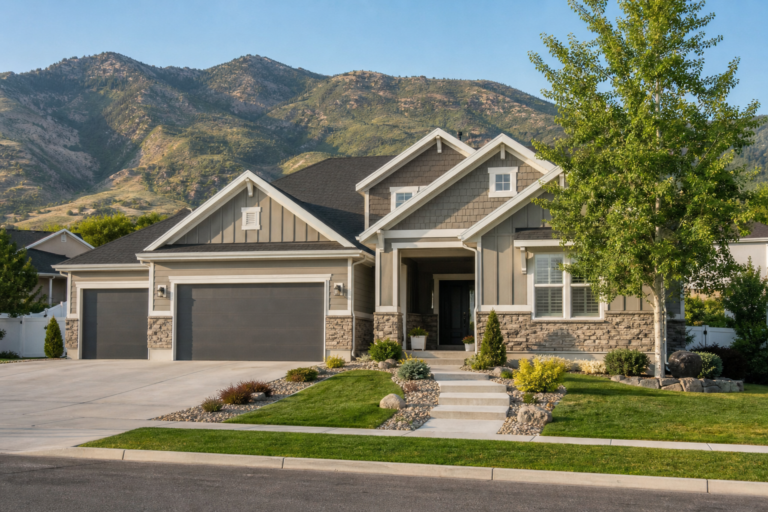
Davis County homes averaged 53 days on market in the most recent available data, but overpriced or condition-complicated listings routinely sit much longer. Sellers who recognize the real reason their home isn’t moving, and act on it quickly, consistently net better outcomes than those who wait it out.
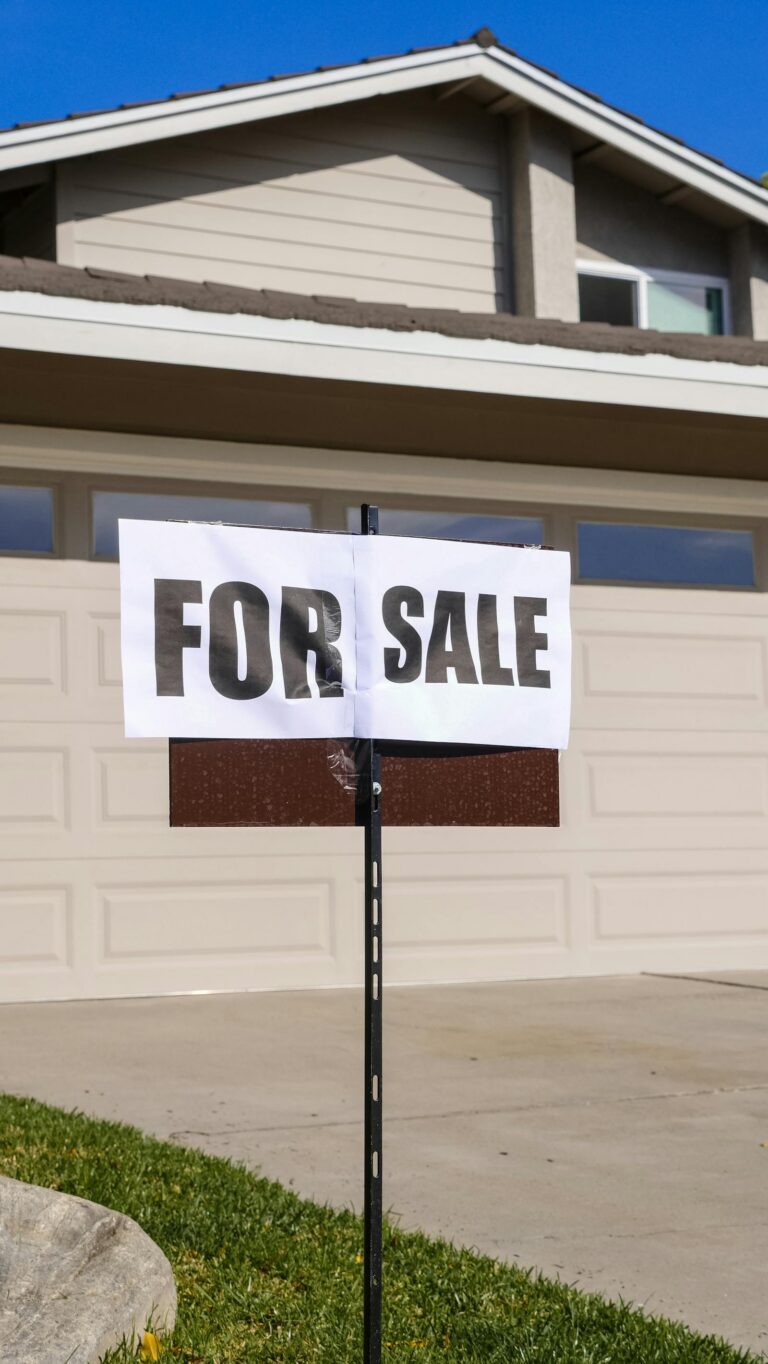
Why is my Davis County home sitting on the market?
Davis County homes averaged 53 days on market according to the most recent available county-level data, and a separate April 2026 report put the median at 45 days. If your listing is well past either of those benchmarks, the market isn’t broken. Something specific about your home’s price, condition, or presentation is keeping buyers from pulling the trigger.
That’s a hard thing to hear. And in my experience, the sellers who hear it early and act on it walk away with better results than the ones who spend another 30 days hoping the right buyer shows up.
Here’s what I walk my clients through when a Davis County listing starts to stall.
What Days on Market Actually Tells You
Days on market (DOM) is a diagnostic, not a verdict. It tells you how long a home has been listed without going under contract. In Utah real estate, buyers and their agents track DOM closely. A listing that’s been sitting for 60 or 90 days raises an immediate question: what’s wrong with it?
That perception compounds over time. According to NAR commentary on the 2026 housing market, price reductions required to move a home grow significantly as it lingers. Homes listed for 0 to 14 days typically need a reduction of around 4.9% to attract attention. By the time a listing has been sitting for over 120 days, that figure climbs to 13.8%. Waiting costs you more than moving early.
For context on where Davis County sits regionally: the realtor.com Utah statewide market page (last updated December 2025, the most recent available) showed Davis County at 53 days, Salt Lake County at 60 days, and Utah County at 64 days. Davis County is moving faster than its neighbors, but that doesn’t mean every listing moves fast.
| County | Average Days on Market | Source / Date |
|---|---|---|
| Davis County | 53 days | realtor.com, late 2025 data |
| Salt Lake County | 60 days | realtor.com, late 2025 data |
| Utah County | 64 days | realtor.com, late 2025 data |
A separate Davis County Housing Market Report from April 2026 put the county’s median DOM at 45 days, down from 51 days in April 2025. That’s a meaningful improvement year over year. But if your listing is approaching 60 or 90 days, you’re already outside that range and the clock is working against you.
The realtor.com Davis County market page (last updated January 2, 2026) also showed roughly 1,300 homes for sale at a median list price of about $529,999. That’s real competition. Buyers have options, and they’ll choose the home that’s priced and presented correctly over the one that’s been sitting.
The Three Real Reasons a Davis County Listing Stalls
I’ve sat across the table from sellers who are convinced the market is the problem. Sometimes they’re right. More often, one of three things is actually driving the stall.
1. The Price Is Out of Step with the Market
This is the most common one, and the hardest for sellers to accept. Buyers today are doing their homework. They’ve seen the Davis County market reports, they know what’s sold nearby, and they’re not going to overpay just because a seller needs a certain number to make their move work.
According to NAR guidance on listing price reductions, a reduction in the range of 2% to 5% can meaningfully renew buyer interest and increase showings, and sellers should generally test market response for about two weeks before deciding to adjust. That’s national guidance, and the principle holds locally.
For what it’s worth, the realtor.com Salt Lake City market report for June 2026 found that 25.9% of active Wasatch Front listings carried a price reduction. That’s more than one in four homes. Price sensitivity is real across the region right now.
My approach: I’d rather build your net sheet before we list and have a frank conversation about where the price needs to be than watch you sit on the market for 90 days and take a larger cut later. A concession is a tool. A permanent price reduction after 60 days of stagnation is an expensive lesson.
2. Condition Is Telling a Story You Don’t Want Told
Buyers and their agents walk through your home and form an impression in the first few minutes. If the carpet is worn, the paint is scuffed, or the yard is struggling, they’re not seeing a home they want to pay top dollar for. They’re calculating what it’s going to cost them to fix it.
Every buyer’s agent who walks through your home is telling you something through their feedback. My job is to collect that feedback, figure out what’s actually driving it, and decide with you whether it’s worth addressing before the next showing. Sometimes it’s a $400 professional paint job. Sometimes it’s a deferred maintenance item that should have been disclosed upfront.
Speaking of disclosure: Utah sellers are required to complete a Seller’s Property Condition Disclosure, the state-approved form that documents known material defects not obvious on a reasonable inspection. If there’s a condition issue you’re aware of, it needs to be on that form. Trying to avoid disclosure doesn’t make the problem go away. It surfaces later, at the worst possible time, and costs you more than addressing it upfront would have.
For homes built before 1978, there’s an additional federally required lead-based paint disclosure and acknowledgment. Buyers generally have 10 days, unless otherwise agreed, to conduct a risk assessment or inspection for lead-based paint hazards.
3. The Listing Isn’t Reaching the Right Buyers
Sometimes the price is right and the condition is solid, but the marketing isn’t doing the job. Photos that don’t show the home well, a listing description that buries the lead, or a strategy that doesn’t account for where buyers in Bountiful, Farmington, or Layton are actually searching can all contribute to a slow start.
A slow start matters more than most sellers realize. The first two weeks of a listing generate the most activity. If your home doesn’t get traction in that window, it starts accumulating DOM and buyers begin to wonder what’s wrong with it, even if the answer is simply that the marketing missed.
Your specific situation depends on your home’s condition, location, and timing. That’s exactly the kind of thing I walk through with sellers before we go live, not after the listing has been sitting for six weeks.
What to Do at 30, 45, and 60 Days
If your Davis County listing has been on the market and isn’t moving, here’s a practical framework for thinking through your next step.
At 30 Days
- Audit the feedback. What are buyer’s agents saying? Is there a pattern? Price, condition, and layout complaints are all different problems with different solutions.
- Review your showing data. Lots of showings and no offers points to price or condition. Few showings points to marketing or price positioning.
- Check your competition. What has sold in the past 30 days in your price range? According to the realtor.com Davis County market data, inventory is meaningful. You’re competing for buyers’ attention every day.
At 45 Days
- You’re now at the county median. If you haven’t received a serious offer, something needs to change. The question is what.
- Consider a price adjustment. NAR guidance suggests testing the market for about two weeks after any adjustment before drawing conclusions.
- Look at condition items again. Is there anything that came up in showings that a modest investment could fix?
At 60 Days and Beyond
- Reassess seriously. At this point, you’re well outside the county’s typical range. The longer a home sits, the harder it gets to reset buyer perception.
- Consider concessions over cuts. Offering to cover part of a buyer’s closing costs is a tool, not a surrender. A price cut is permanent. A well-structured concession can close the gap without changing the number on the listing.
- Ask whether a temporary withdrawal makes sense. In some cases, pulling a listing, addressing condition issues, and relaunching with fresh photos and a reset DOM counter is the right move. That’s a conversation worth having with your agent.
One thing worth noting: a title company handles the paperwork side of closing. It doesn’t solve pricing, condition, or buyer-perception problems. If your listing is stalling, the Davis County Recorder’s Office can help verify that your property records are accurate, but the fix for a stalled listing lives in the strategy, not the paperwork.
If you want a broader read on what’s been happening with Davis County inventory and demand this year, the Davis County housing inventory update from May 2026 has useful context.
If you want to see what buyers in this market are actually weighing when they decide whether to make an offer, the realtor.com May 2026 Monthly Housing Report noted that 17.5% of active listings nationally had a price cut, with a national median listing price of $429,500. Davis County’s median of roughly $529,999 sits well above that, which means buyers here are making careful decisions and expect homes to earn their price.
If you’ve been reading reviews from other sellers I’ve worked with, you can find them on Google and Zillow.
Frequently Asked Questions
What does days on market mean in Utah real estate?
Days on market (DOM) is the number of days a home has been listed for sale without going under contract. In Utah, buyers and agents track it closely because a high DOM often signals that something about the price, condition, or presentation isn’t landing. Davis County homes averaged 53 days on market in the most recent available data, so anything significantly beyond that warrants a honest look at what’s driving it.
How long should a house stay on the market before lowering the price in Davis County?
There’s no single answer, but the county’s recent median of 45 days (April 2026 data) is a useful benchmark. If you’re approaching that mark without a serious offer, it’s time to review feedback, compare against recent sales, and consider whether a price adjustment makes sense. NAR guidance suggests giving any price change about two weeks to generate a response before drawing conclusions.
Do price reductions help homes sell faster in Davis County?
They can, but only if price was the actual problem. If the issue is condition or marketing, a price cut won’t fix it. That said, NAR data shows that homes sitting over 120 days typically need reductions of nearly 14% to move, compared to under 5% for homes that adjust early. Moving sooner almost always costs less than waiting.
Is seller denial the main reason homes linger on the market?
It’s a significant factor, but not the only one. Overpricing is the most common driver, followed by condition issues and weak marketing. Seller denial makes all three worse because it delays the decision to act. The sellers I see recover best are the ones who treat showing feedback and DOM data as information to act on, not a reason to dig in.
What should a seller do after 30, 45, or 60 days on market in Davis County?
At 30 days, audit your showing feedback and compare recent sales. At 45 days, you’re at the county median and something likely needs to change, whether that’s price, condition, or both. At 60 days, you’re outside the typical range and the conversation shifts to more significant strategy changes, including whether concessions, condition improvements, or a temporary withdrawal and relaunch makes sense. Every situation is different, and the right move depends on your specific home, price point, and goals.
The Davis County market isn’t frozen, but it’s not forgiving of overpriced or under-prepared listings either. If your home has been sitting longer than you expected, the answer is usually in the data, and I can help you read it. Schedule a strategy conversation and I’ll walk through exactly what the numbers are telling us. Or if you’re still in the research phase, search active Davis County listings to see what you’re competing against.
Equal Housing Opportunity. Bryson Real Estate LLC, Principal Broker of Record, licensed by the Utah Division of Real Estate. This article is general information only and does not constitute legal, tax, or financial advice. Confirm your specific numbers and situation with your attorney, tax advisor, lender, or closing officer.